Projects
Jellyfin Server
Hardware
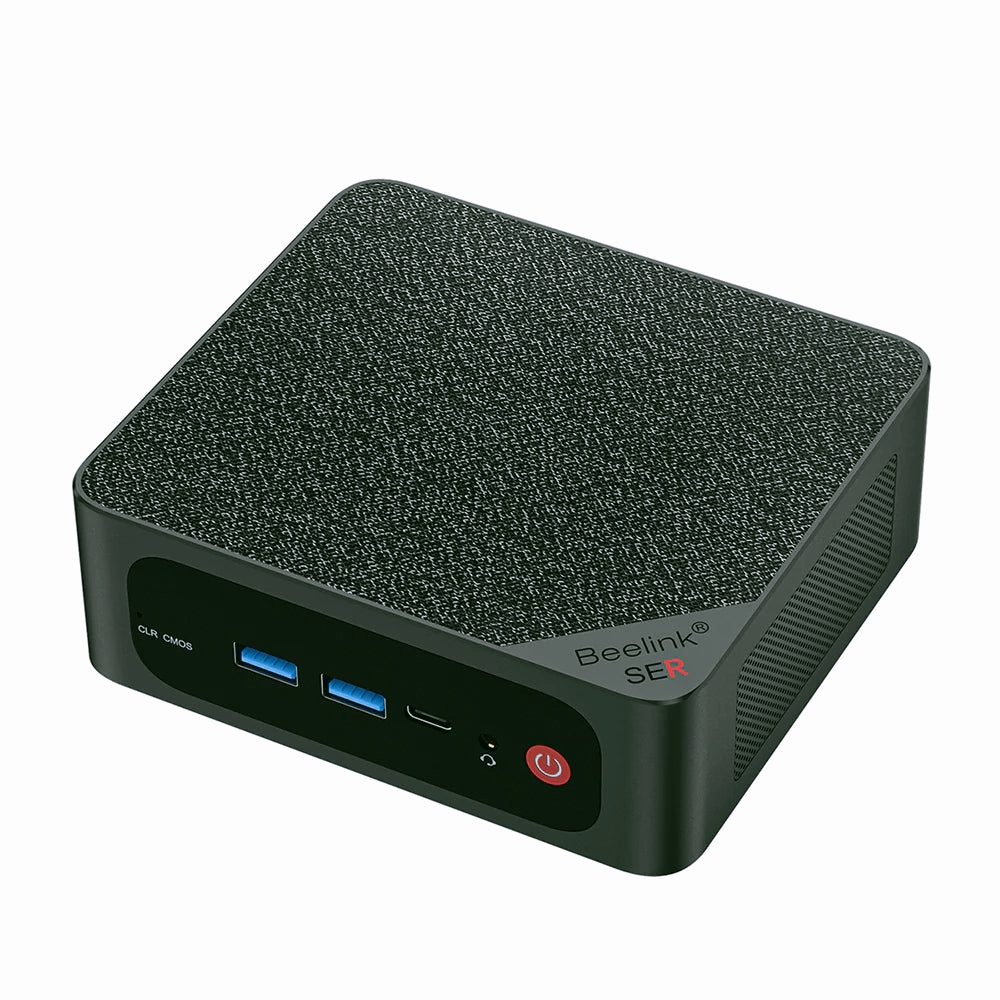
Beelink SER5 MAX
AMD Ryzen 7 5800H (8 cores / 16 threads)
AMD Radeon Graphics (8 cores)
64GB DDR4 RAM
512GB SSD + various external SSDs
Software
Windows 11 Pro
MakeMKV
Jellyfin Server
Where it all started!
I was going in to have a hip replaced and knew from experience that I'd be bored, so I dug out my complete collection of Stargate SG-1 and Battlestar Galactica DVDs to watch. I realised that changing DVDs every few episodes would be a drag, but as I owned the media, I wasn't going to subscribe to stream something I already owned. So I set up a media server and started ripping my DVDs. Yes, that was also boring — but I had weeks to sit around after the operation... and thus, a new obsession was born.
Low Power Backup Device
Hardware
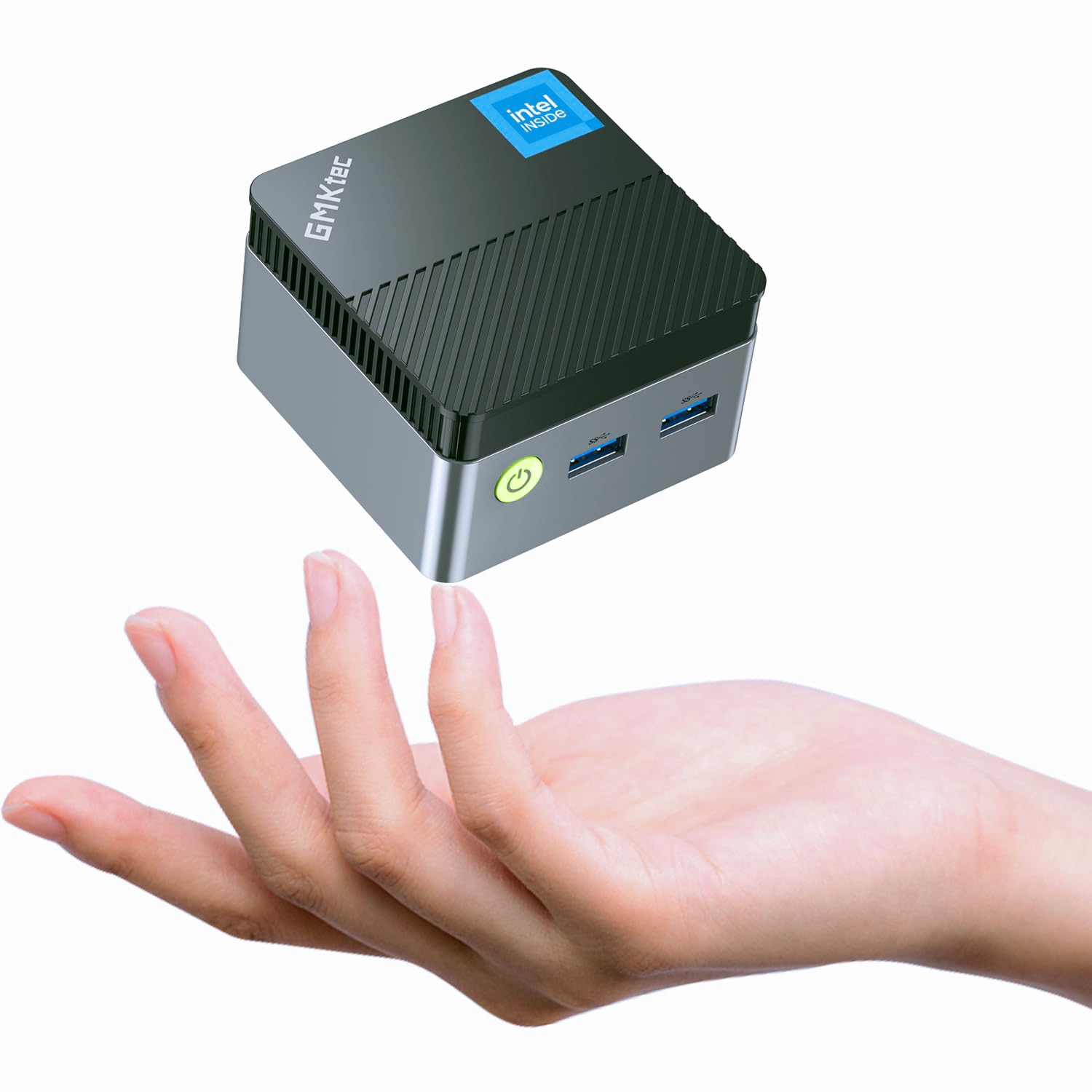
GMKtec NucBox KB1
Intel Celeron J4125 (4 cores, 4 threads)
Intel UHD Graphics 600
8GB DDR4 RAM
128GB M.2 2242 SATA SSD
Software
Linux Mint Cinnamon 22.3
Why?
With my main PC now running 24/7 as a media server and my mad obsession with reducing reliance on outsourced cloud storage, I needed a redundant backup of critical files, documents and pictures. I downloaded my Google Drive onto my main PC, restructured the files and then set up a RoboCopy script to mirror the entire folder to a low-power device. I was going to get a Raspberry Pi, but once I saw this GMKtec KB1, I realised that I couldn't be bothered with the faffing around setting up Raspbian on a Pi. The NucBox was also cheaper, uses less power and runs a desktop version of Linux Mint.
Jellyfin Server — M4 Mac Mini
Hardware
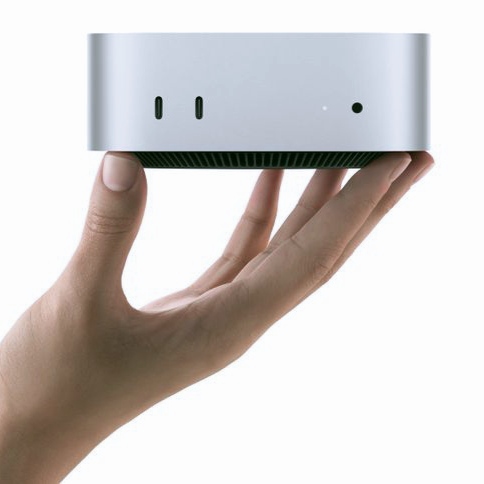
Apple M4 Mac Mini
M4 Chip (10 cores)
16GB RAM unified memory
256GB NVMe SSD
Software
macOS 26 Tahoe
MakeMKV
Jellyfin Server
The Rise of the Clawd Bots…
I was fascinated by ClawdBot / MoltBot / OpenClaw but couldn't get it to work on my existing hardware. It was also unsafe given the system-level access it required. Luckily, at around the same time, I was awarded some "star points" at work and had amassed enough to get an M4 Mac Mini.
So, Vincent was hatched. Using NanoClaw – a much smaller Agent package that runs within a container – the setup is much less of a resource hog and has no direct access to critical parts of the machine. There are limits as a result, but as a gateway to AI Agents, it’s a much safer environment.
The M4 Mac Mini is incredibly powerful. Vincent wasn’t taxing the CPU and was using very little memory, so I decided to move my Jellyfin server off my main PC and onto the Mac. The issue was the tiny 256GB internal NVMe drive…
Vincent has since been retired – his knowledge base was archived and his duties folded into Sebastian. The M4 Mac Mini now runs Jellyfin full-time, doing what it does best.
More Storage
Hardware
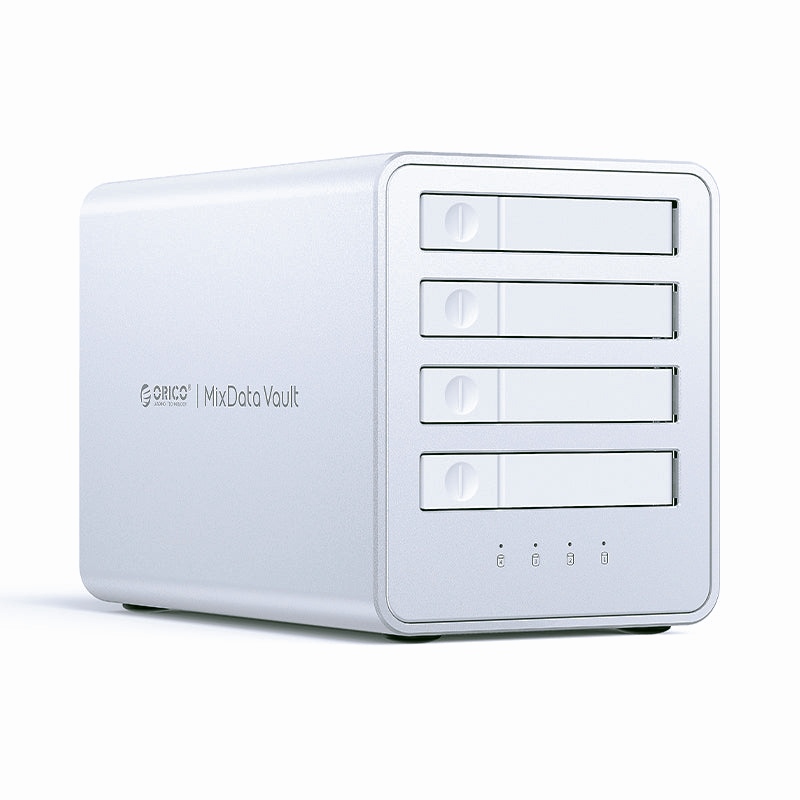
Orico 8848U4 Multi-Bay 2.5" Enclosure
10Gbps USB 3.2 Gen2
2 × 2TB 2.5" SSDs
2 × 1TB 2.5" HDDs
Currently 6TB — expandable to 32TB
Software
None — runs on macOS with no issues
You want more, boy?!?!
I could have run the new Mac-based Jellyfin server using half a dozen drives in USB enclosures plugged into a hub. But that would have looked messy, wouldn’t have been that stable and, well, it’s just a bit “third division”.
Enter the Orico 8848 – it can accommodate my current pool of 2.5" drives, matches the Mac Mini’s vibe, runs cool and quiet, requires no drivers that need to be kept updated and, most importantly, can easily be expanded when I outgrow the current 6TB of space. I ordered direct from the manufacturer in China – so it was half the cost of the same unit on Amazon.
Meshtastic Node
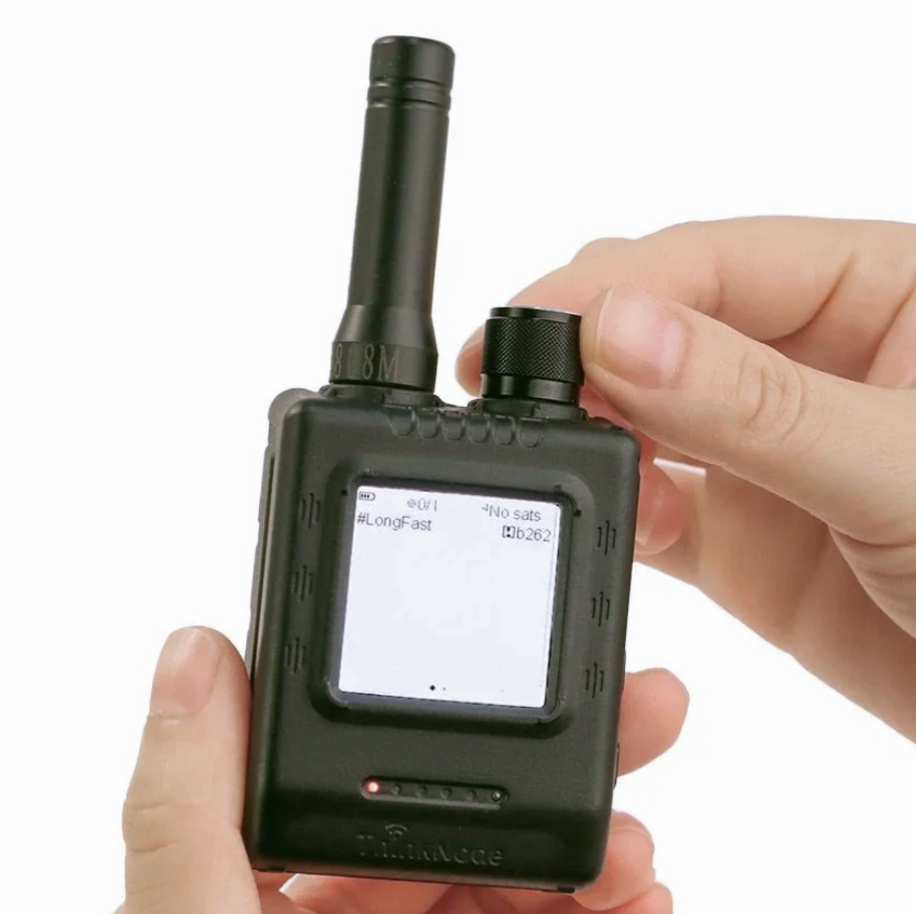
Hardware
Elecrow ThinkNode M5 LoRa radio
Software
Meshtastic 2.7.15 (beta)
Zombie Apocalypse
When the end comes and 5G goes offline, I’ll still be able to send a text… as long as you have a Meshtastic Node and are within 5km with line of sight. Seriously, LoRa is a great concept and just needs more adopters. The next stage is to rig up a Meshtastic repeater to increase the range.
Sebastian — AI Agent & Webserver
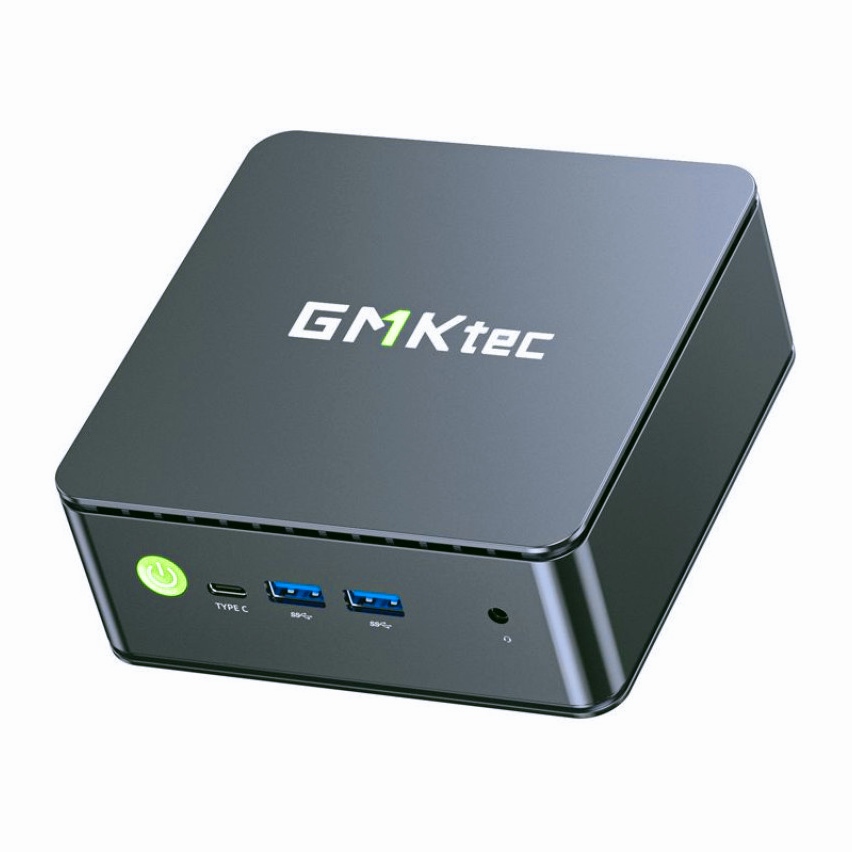
Hardware
GMKtec NucBox G11
AMD Ryzen R2514 (4 cores / 8 threads)
AMD Radeon Vega 8 Graphics
16GB DDR4 RAM
2 × 256GB NVMe
Software
Linux Mint Cinnamon 22.3
Hermes Agent
Nginx
HUGO
Clawd Bots are next level
I was pleased with my first AI agent, Vincent. But I wanted to do more and see how far this new technology could go. So a second agent was needed – something with system-level access, not locked away in a container. Something more complex and more powerful.
I was mindful of the risk, so a new standalone machine was needed. Cheap, low-powered, expandable. A GMKtec G11 barebones system paired with some spare RAM and a couple of NVMe drives I had in a drawer. Installed Linux Mint, Hermes Agent and bingo – Sebastian was hatched.
Sebastian designs and manages this website, monitors my network, and will assist with the development of the next phase of mini projects. All this project has cost is the computer – the rest of the hardware is repurposed and the software is free. Just pay for the API tokens.
With Vincent now retired, Sebastian is the sole agent – handling the website, email, calendar and everything else from a single machine.